Our Story
The Centre for Applied Carmelite Spirituality (CACS) was born from a simple but compelling desire: to help adults encounter God more deeply and live that encounter more fully in the world.
Rooted in the Catholic contemplative tradition—especially the rich wellspring of Carmelite spirituality—CACS began as a response to a quiet hunger we kept noticing in the Church: a longing not just to learn about faith, but to be formed by it.
What started as a small number of prayer courses, rooted in the Carmelite tradition, quickly revealed a wider call: to form men and women who could listen deeply, discern wisely, and accompany others with spiritual maturity and theological depth.
From these beginnings at the Carmelite Priory in Oxford, CACS has grown into an international centre for Carmelite formation, serving learners from over fifteen countries across three continents. Today, CACS offers a range of programmes through its School of Formative Spirituality, integrating academic study, contemplative practice, and pastoral formation.
CACS is a recognised Associate Centre of the Pontifical Institute of Spirituality (Teresianum), Rome, and partners with St Mary's University, Twickenham, London, to deliver accredited formation in spiritual accompaniment.
Our Mission
To provide quality formative programmes that foster an awareness of God's presence, nurture the spiritual life, and equip those in soul care ministries for a discerning and supportive accompaniment in diverse ministerial contexts.
Leadership Team

Fr Alexander Ezechukwu OCD
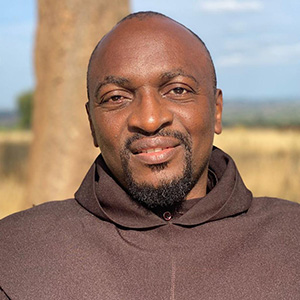
Fr Luke Onwe OCD

Judy Bartlett

Candida Kirkpatrick OCDS

Kate Keefe
Our Tradition
The Carmelite family — blessed with three Doctors of the Church
The Carmelite tradition stretches back 800 years to hermits on Mount Carmel who sought to live "in allegiance to Jesus Christ." This contemplative charism has gifted the Church with some of its greatest mystics, teachers of prayer, and three Doctors of the Church — an extraordinary concentration of wisdom from a single spiritual family.
At the heart of Carmelite spirituality lie timeless themes that speak powerfully to contemporary seekers: silence as a gateway to encounter with God; solitude that opens us to deeper communion; prayer as friendship with the One who loves us; transformation through the dark nights that purify and illumine; and contemplative action that flows from union with God into service of others.
Mount Carmel — this tradition's birthplace — was a busy trade and pilgrim route in the Holy Land. This is significant: Carmelite spirituality was not born in isolation but in the midst of movement and activity. It teaches us that even we who are immersed in busy lives and demanding schedules can make room for silence, and discover within it the presence of God who befriends us in love.
In our distracted, fragmented age, the Carmelite tradition offers a wisdom desperately needed: the art of attending to God's presence, the courage to face our inner depths, and the freedom that comes from surrendering to divine love. These ancient paths remain startlingly relevant for anyone seeking authentic spiritual growth today.
The Archetypes of Carmel

Elijah the Prophet
"The Lord, the God of Israel, lives, in whose presence I stand"
The spiritual father of Carmel. On Mount Carmel, Elijah confronted the false prophets and called Israel back to the living God (1 Kings 18). He embodies the prophetic dimension of Carmelite life — the courage to stand for truth and the burning zeal for God's glory that animates all authentic contemplation.

Our Lady of Mount Carmel
"Do whatever he tells you"
Mary is the perfect contemplative and model of our life. She "treasured all these things in her heart" (Luke 2:51) — teaching us to ponder God's word in silence. Our Rule calls us to meditate on the law of the Lord day and night, following Mary who shows us how to listen, receive, and respond to God's will.
Elijah and Mary model the Carmelite life for us — the prophet who stands boldly in God's presence and the contemplative who treasures God's word in her heart. Together they teach us the balance of action and contemplation that defines our charism.
Our Holy Parents — The Sixteenth-Century Reform
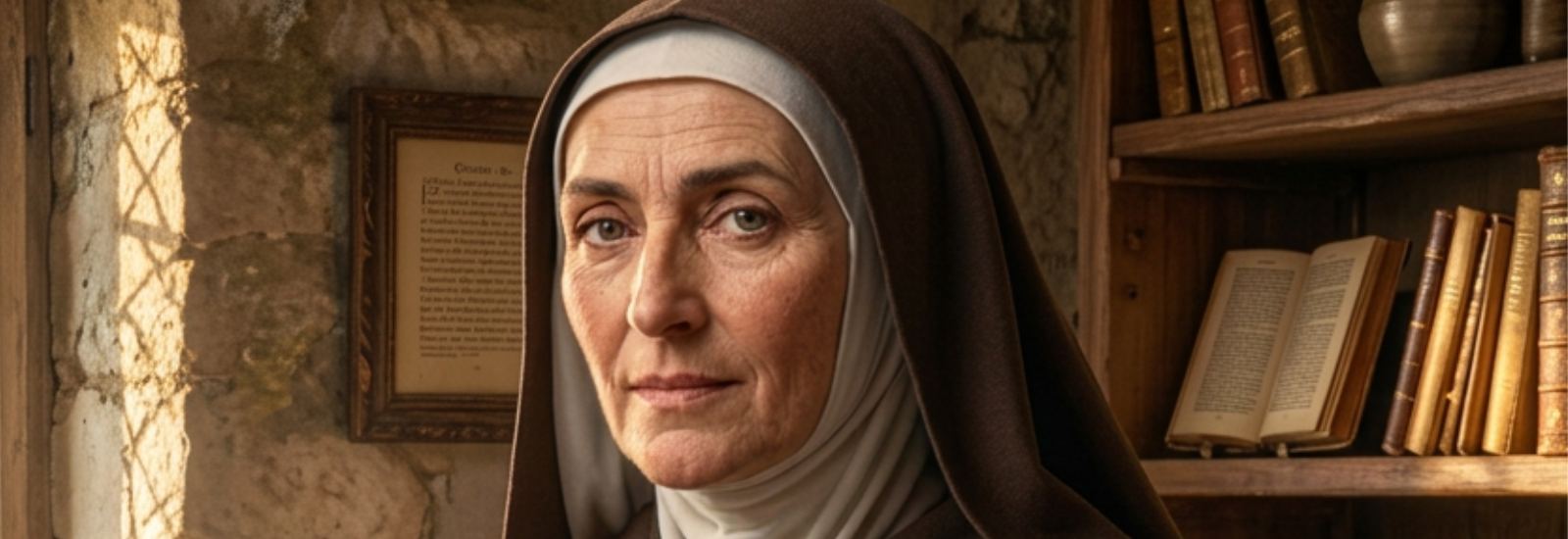
St Teresa of Avila
"Prayer is nothing else than an intimate sharing between friends"
Doctor of the Church, reformer, and guide through the Interior Castle. Teresa taught that prayer is friendship with God — a relationship of love that transforms us from the inside out. Her practical wisdom on prayer and her fearless reform of Carmel continue to inspire seekers today.

St John of the Cross
"In the evening of life, we will be judged on love alone"
Doctor of the Church, poet, and mystical theologian. John illuminates how God purifies the soul through the "dark nights" — painful but loving passages that strip away attachments and bring us to transforming union. His poetry and doctrine remain unsurpassed guides to the heights of contemplation.
Teresa and John are our holy parents — the founders of the Discalced Carmelite reform in sixteenth-century Spain. In a time of religious upheaval, they renewed Carmel by returning to its contemplative roots. Their writings remain the primary sources for understanding and living the Carmelite way.
Saints of the Modern Era — Prophetic Witnesses
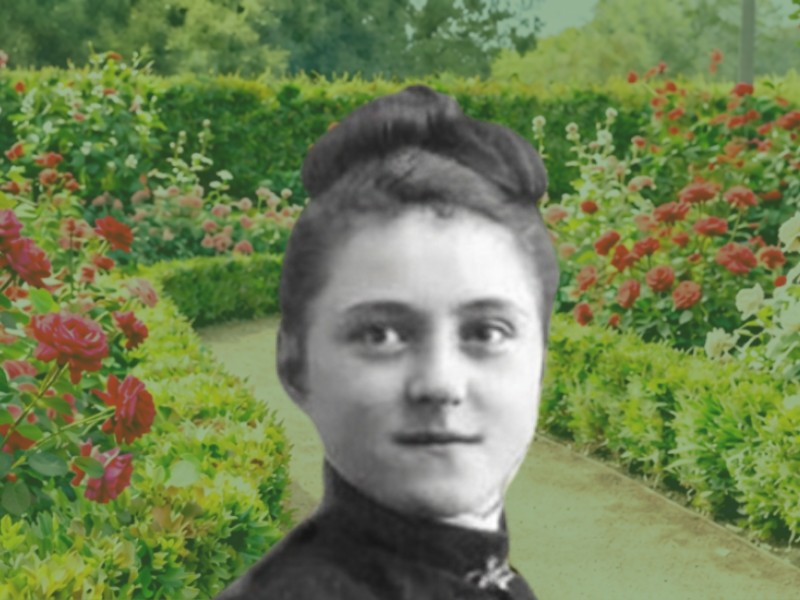
St Thérèse of Lisieux
"My vocation is love!"
Doctor of the Church and teacher of the "Little Way." Thérèse revolutionised spirituality by showing that holiness is found in small acts of love done with great faithfulness.
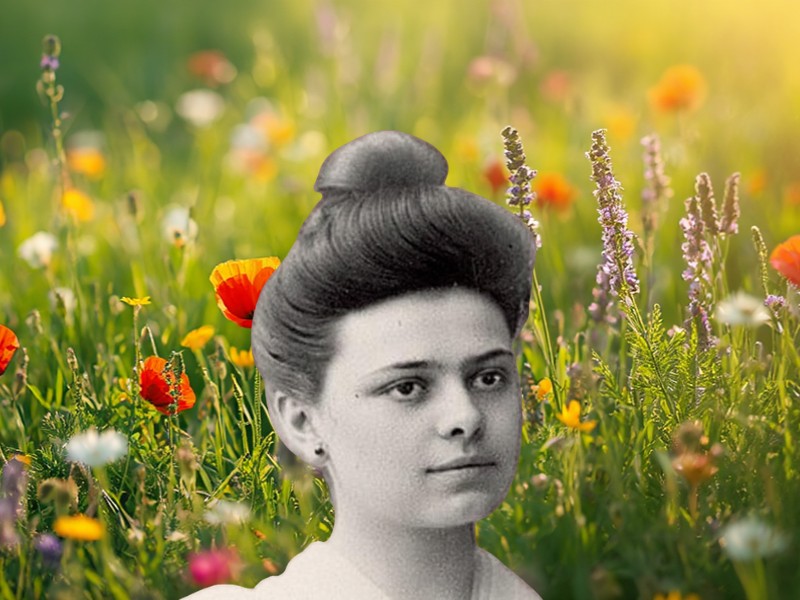
St Elizabeth of the Trinity
"A praise of glory"
Contemplative who taught us to live in continuous adoration of the Trinity dwelling within us — letting our whole life be a song of thanksgiving.
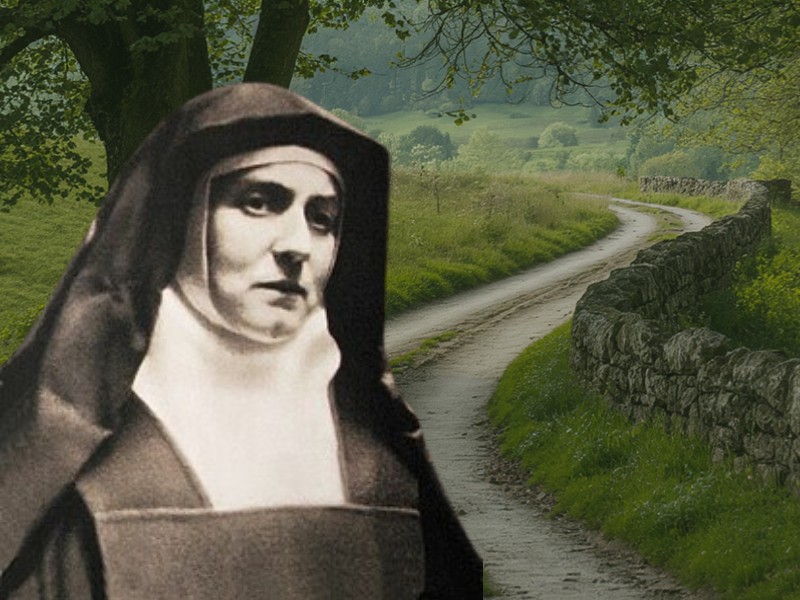
St Teresa Benedicta
"Whoever seeks truth seeks God"
Born Edith Stein — philosopher, convert, and martyr. Her journey witnesses to the power of truth and the mystery of redemptive suffering. Patron of Europe.
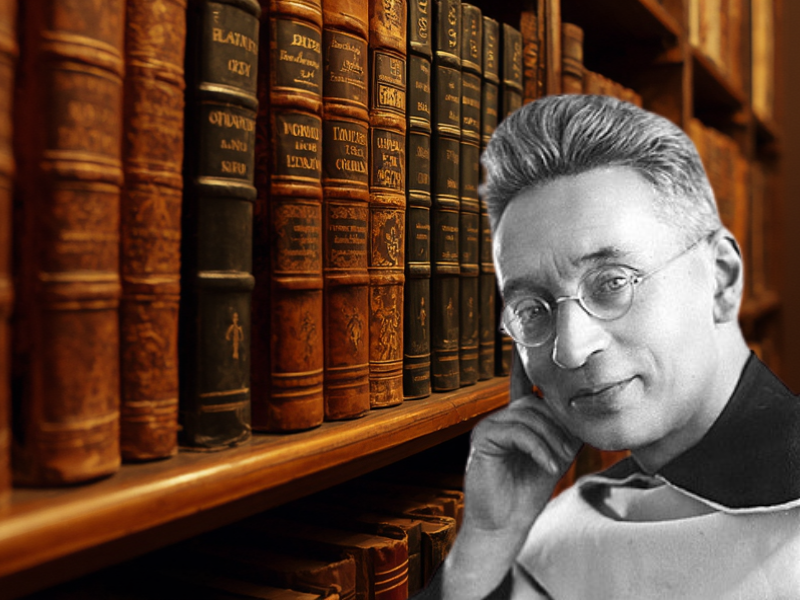
St Titus Brandsma
"Those who want to win the world for Christ must have the courage to come into conflict with it"
Journalist, professor, and martyr. He defended press freedom and human dignity against Nazi ideology, dying at Dachau in 1942.
These saints of the nineteenth and twentieth centuries show how Carmelite contemplation bears prophetic fruit. In ages of secularism, war, and ideology, they witnessed to the primacy of God's love — and their lives remain a model and challenge for our present age.