Into the Living Flame
Walk where the fire was lit
We are leading the whole Carmelite family — Discalced, Calced, friars, nuns, seculars, lay, alumni and friends — on a pilgrimage through the landscape that formed Saints Teresa of Avila and John of the Cross. You’re invited to journey with us from home of the Italian Carmelite mystics Florence, to Assisi, in which the Franciscan order has its roots, to the Rome where Teresa was raised to the altars, and on to La Bruna in Naples, the Marian heart of Carmel. Gentle in pace. Open to all who love Carmel — whether you have prayed with these saints for years or are only now feeling the first warmth. There is one itinerary but two opportunities to go on the pilgrimage in 2028 — in thanksgiving for the ten years of the Centre for Applied Carmelite Spirituality’s existence. Choose whichever time of year suits you best.
The journey in four movements
On the Shoulders of Saints
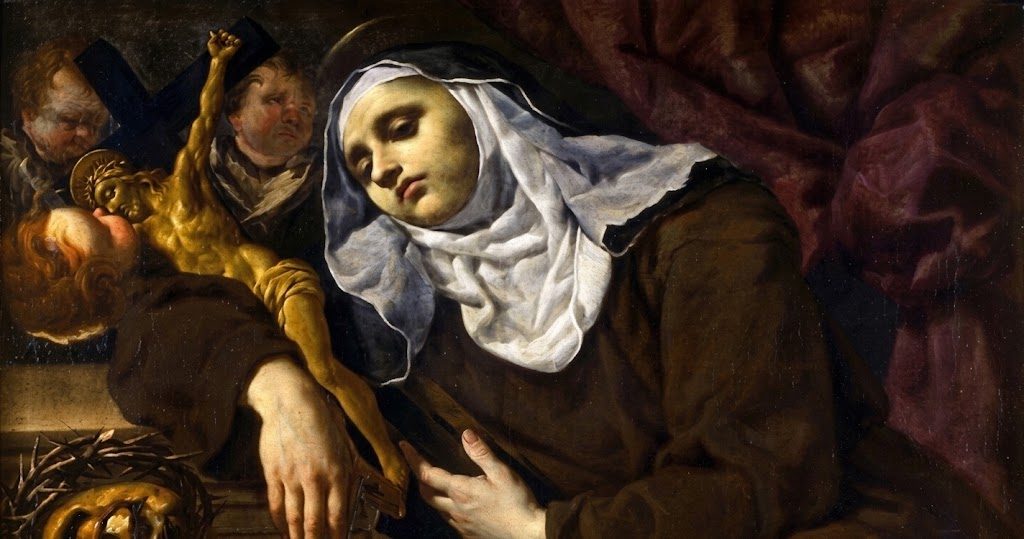
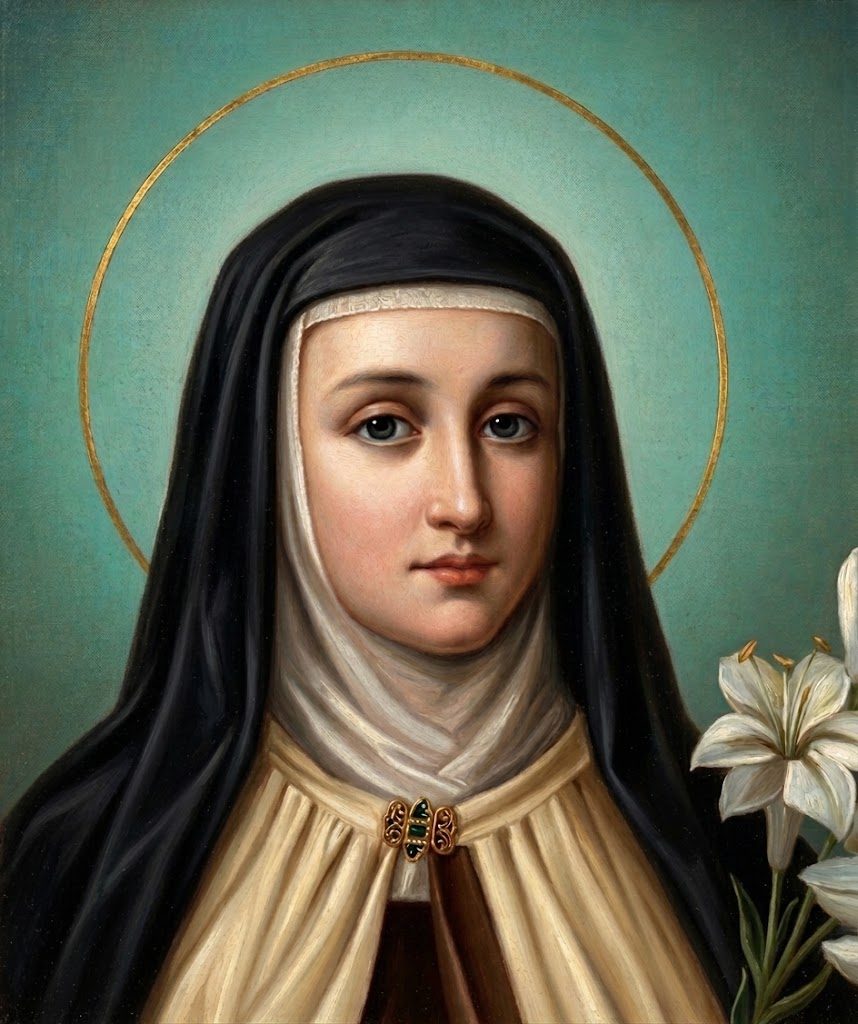
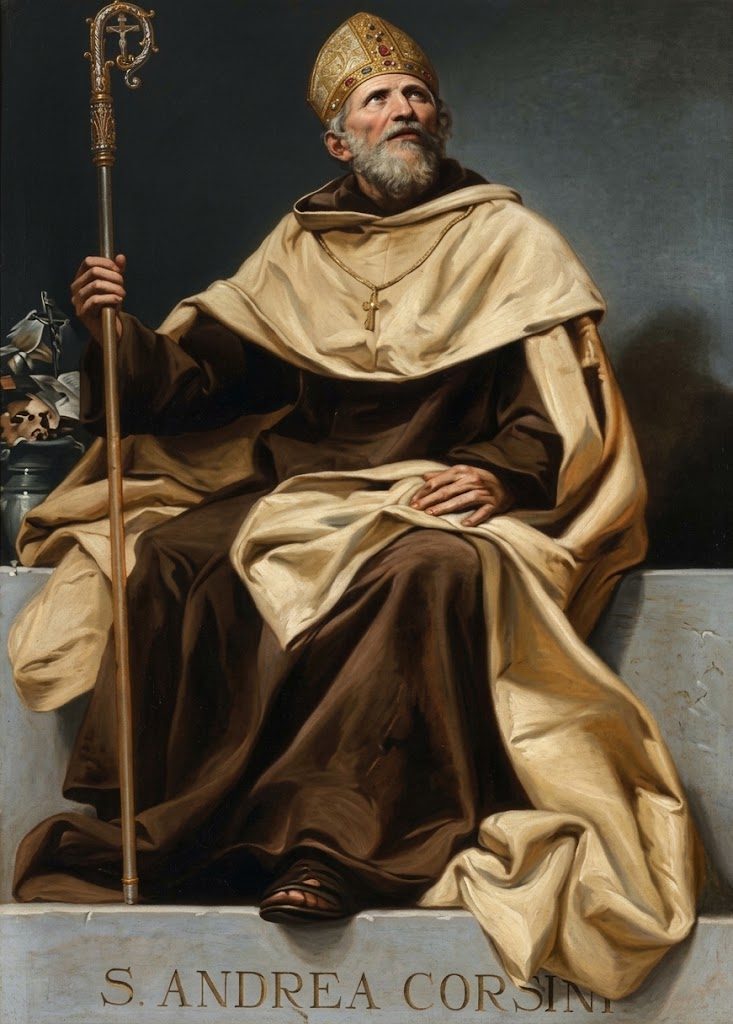
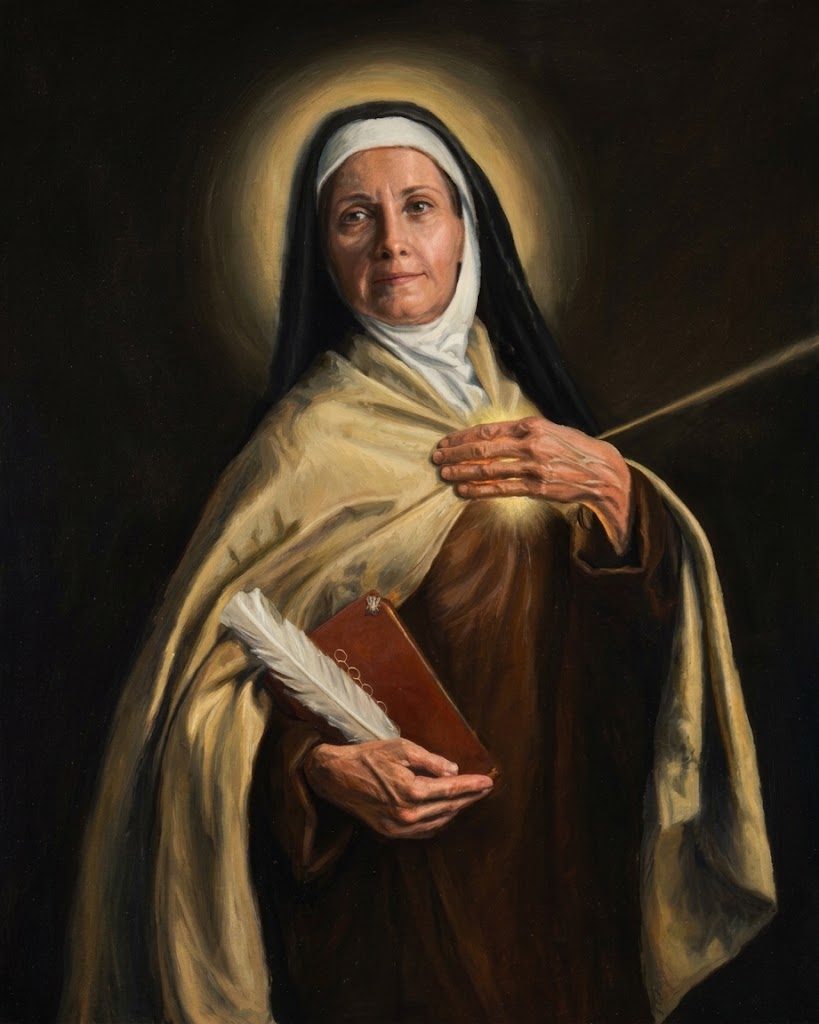
The Carmelite saints this land gave us — Andrew Corsini, Mary Magdalen de’ Pazzi, Teresa Margaret — and Fra Angelico at San Marco. God forms before he sends.
Where the Fire Was Kindled
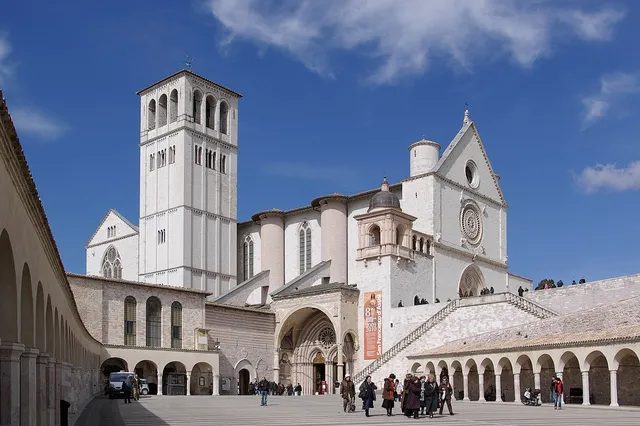
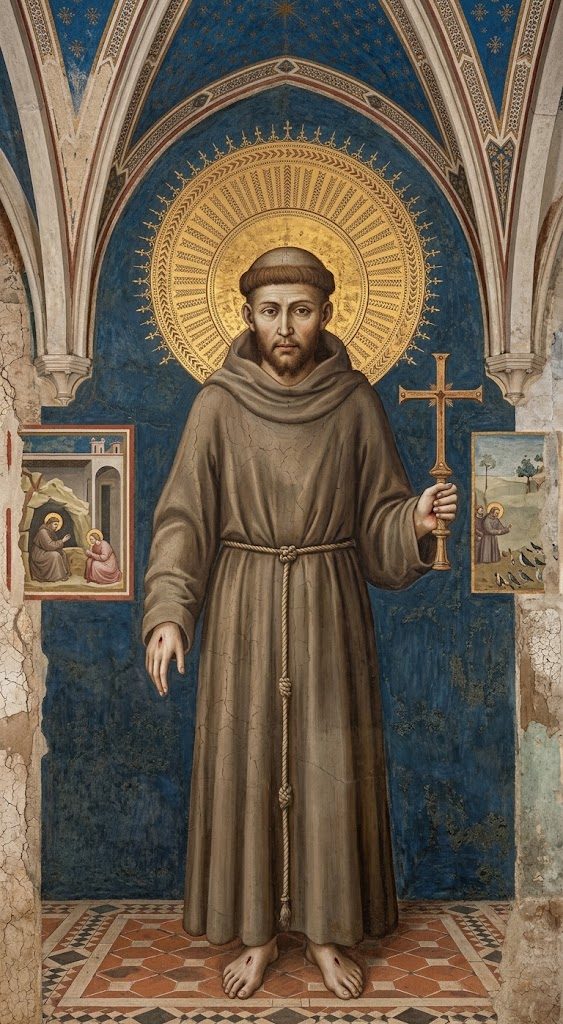
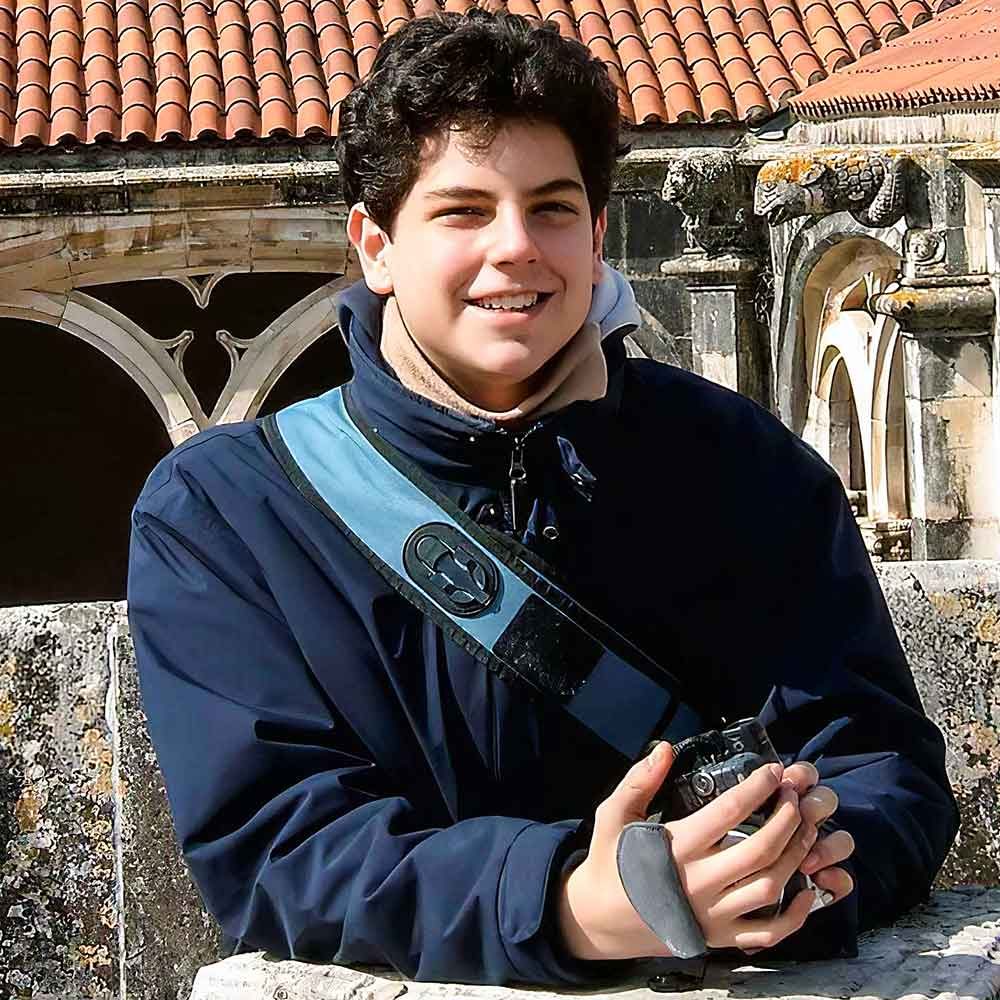
The Franciscan roots that formed Teresa: Osuna’s book, Peter of Alcántara’s courage, Clare’s promise — “Go on with what you have begun.” And the newest saint: Carlo Acutis.
Blessed at the Heart of the Church
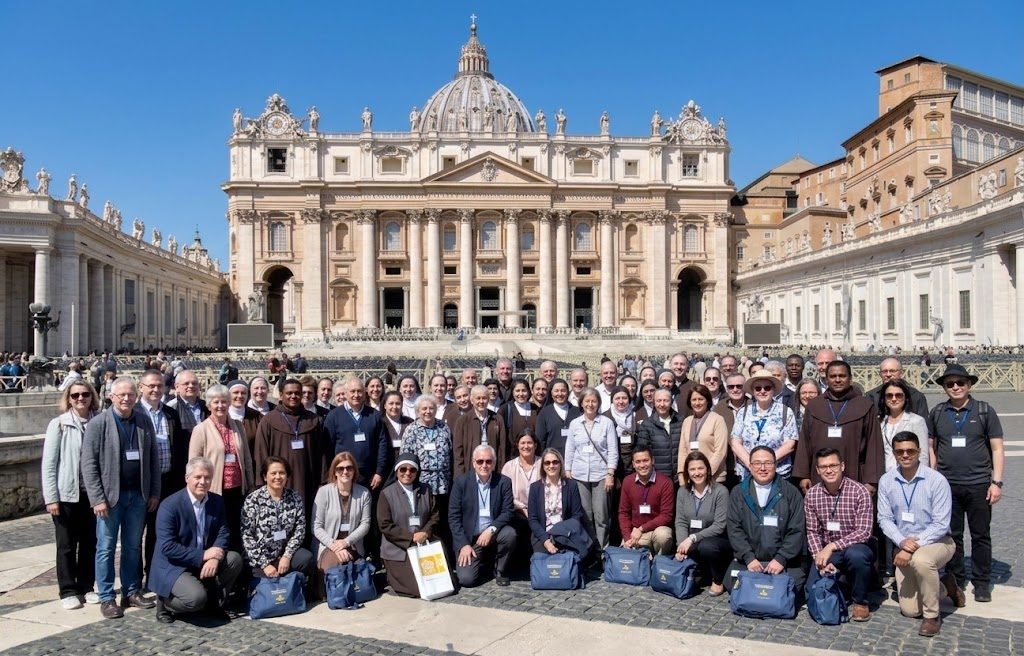
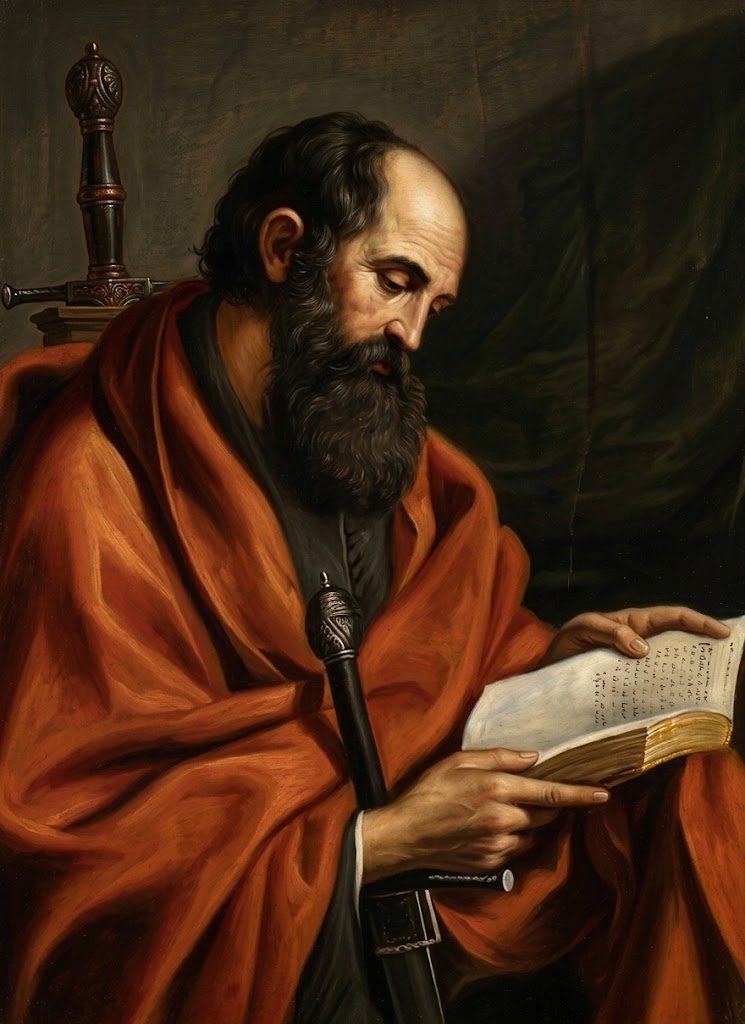
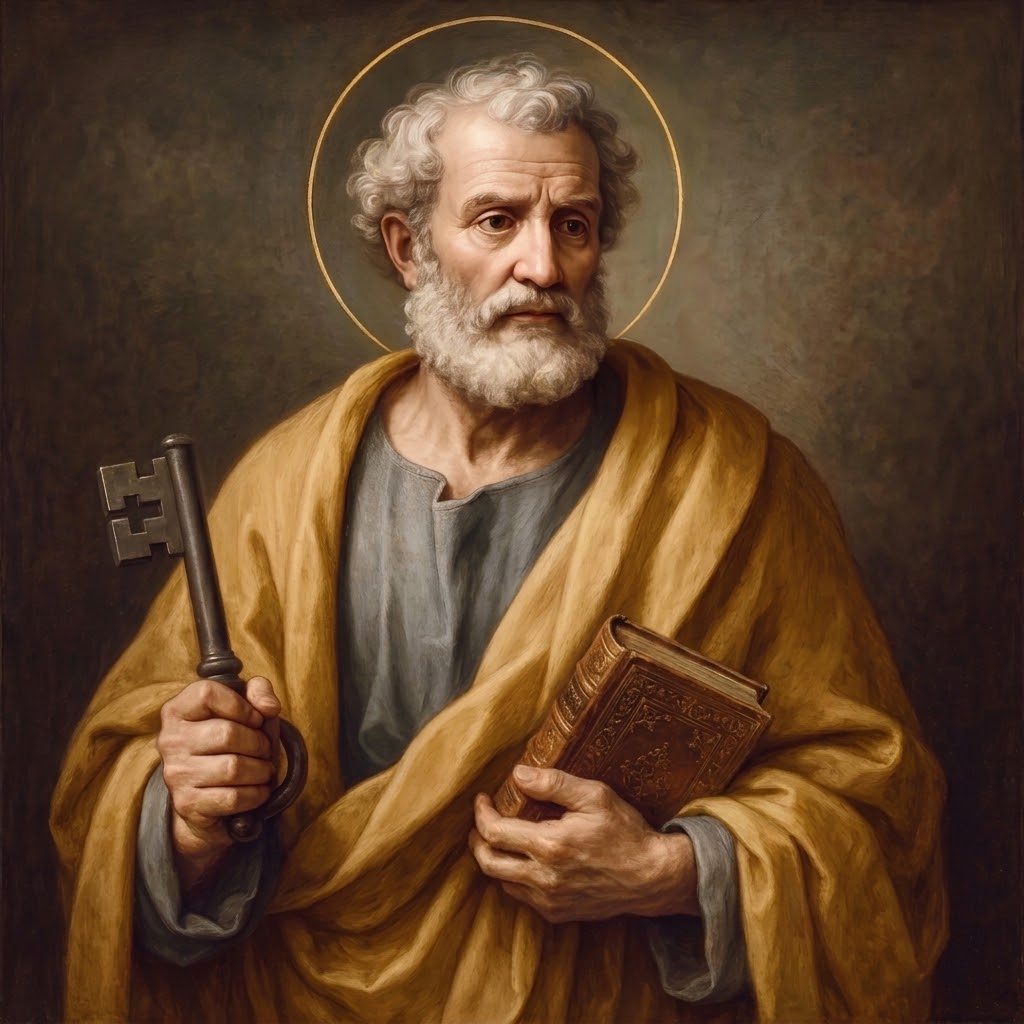
The papal audience (we hope); Teresa’s relic; Gratián’s story; the Generalate and the Father General; the catacombs; and the tomb of Peter, where Teresa was canonised in 1622.
Under Our Lady’s Mantle
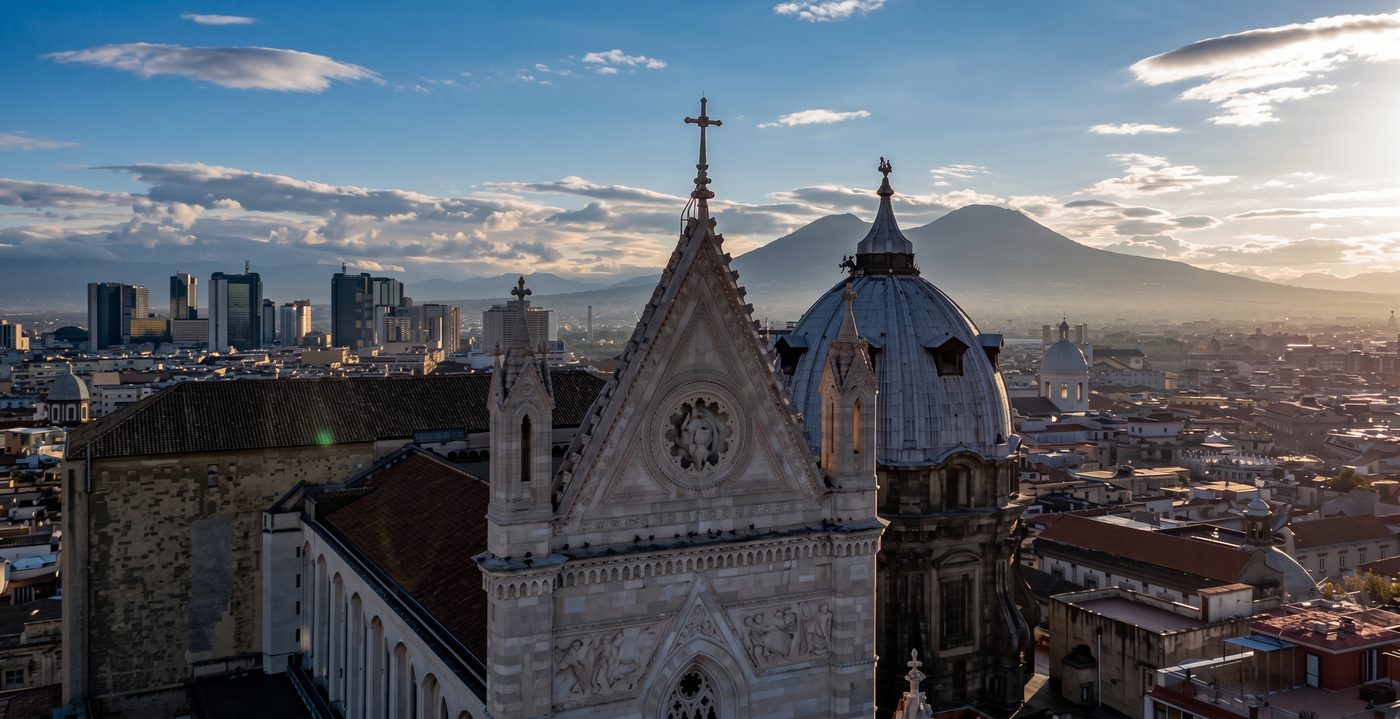
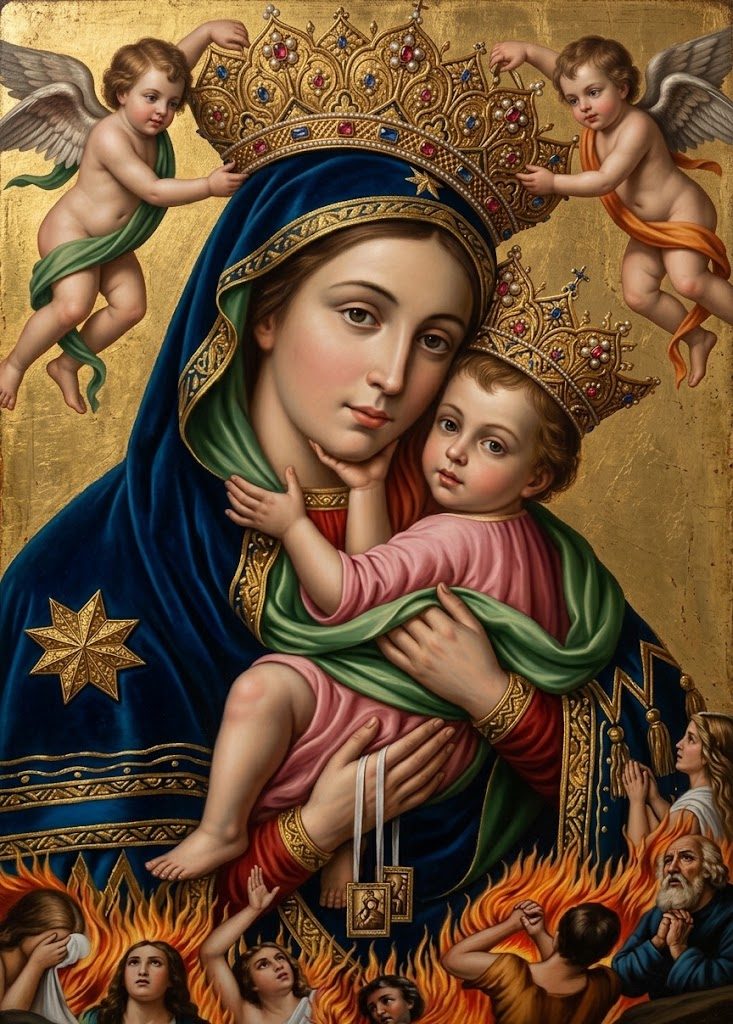
La Bruna at the Carmine Maggiore; Aquinas at San Domenico; Moscati at the Gesù Nuovo; Pompeii. The pilgrimage ends at La Bruna — in her keeping, sent out still burning.
Our Saints — Companions on the Journey
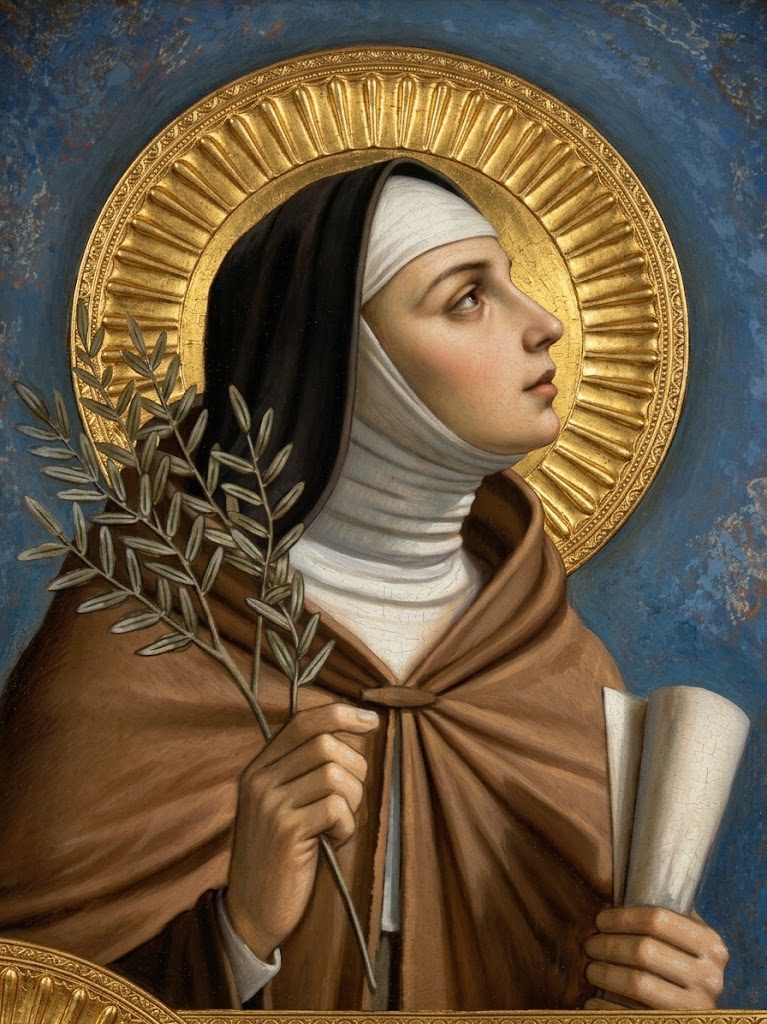
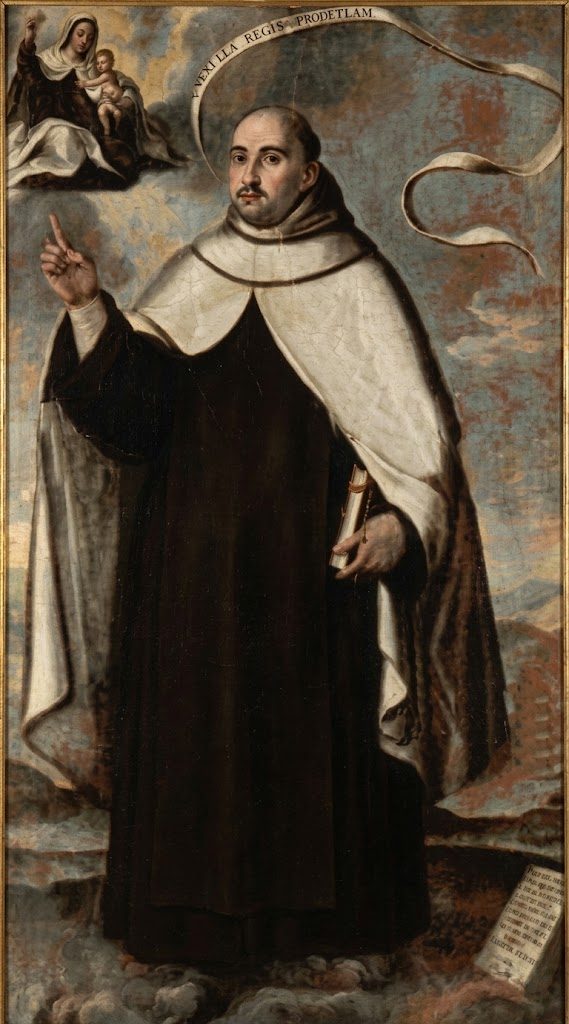
A pilgrimage is never walked alone. These are the friends who will walk beside us, greet us at their shrines, speak to us in their cities, and bless us with their company. They are not monuments of the past — they are the living flame, burning still, waiting for us in every church, crypt and chapel we enter.
Day by day
After reaching Florence and settling in, we gather for an opening Mass and a Blessing at the Threshold, naming the intention that will carry us: to come first to our Carmelite forebears, then back to the roots that formed them, and on to the heart of the Church. A simple welcome supper closes the day.
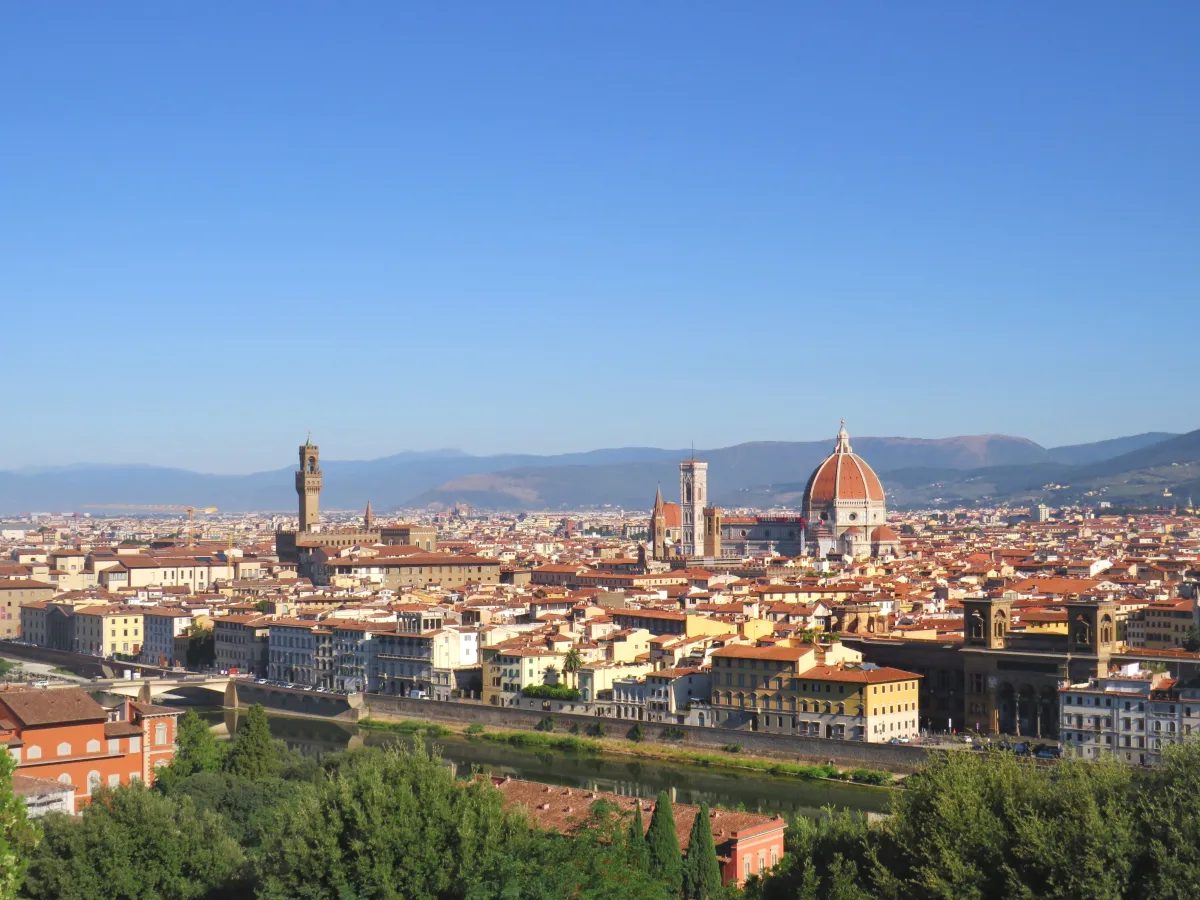
We begin where Carmel took root in this city, at Santa Maria del Carmine, the Carmelite church of Florence since 1268. Here we pray at the tomb of St Andrew Corsini, the Carmelite friar and bishop who made peace between warring cities. In the same church we enter the Brancacci Chapel, whose frescoes by Masaccio — the “Sistine Chapel of the early Renaissance” — tell the life of St Peter, quietly foreshadowing the tomb we will reach in Rome. Then to the shrines of two Florentine daughters of Carmel: St Mary Magdalen de’ Pazzi, the mystic on fire with the love of God, and St Teresa Margaret of the Sacred Heart, the hidden flame of charity. We ask their blessing on the road ahead: God forms before he sends.
A second unhurried day in Florence. We return to the quiet fire of St Teresa Margaret at her shrine, and we visit the convent of San Marco, where Fra Angelico covered every cell with frescoes so that the friars would live inside the Gospel. Florence does not need to be rushed. There is beauty here that forms simply by being received. An afternoon at leisure before supper together.
We turn aside to Assisi, to the very ground where Franciscan spirituality was born, and we remember how deeply that fire warmed the Carmel of Teresa. It was a Franciscan book — Francisco de Osuna’s Third Spiritual Alphabet — that first taught Teresa to pray; a Franciscan, St Peter of Alcántara, who gave her the courage to begin her Reform; and St Clare who, by Teresa’s own testimony, appeared to her at that founding hour with the words, “Go on with what you have begun.” Here we pray at Clare’s tomb and before the San Damiano cross that sent Francis to “rebuild my Church.”
We also visit the tomb of St Carlo Acutis, canonised in 2025 — the first millennial saint and the newest saint of Assisi. Carlo was fifteen years old when he died, and his whole short life was organised around one passion: the Eucharist, which he called his “motorway to Heaven.” Standing at his tomb, something quietly profound becomes clear. The Rule of St Albert, written on Mount Carmel in the early thirteenth century, enjoined the hermits to gather “every day early in the morning to hear Mass” — a daily Eucharist at a time when most of Christendom celebrated it only on Sundays. Carmel has always known what Carlo lived: that the Eucharist is not a weekly obligation but the heartbeat of the contemplative life. Teresa herself knew this intimately — it was in receiving Holy Communion at the hands of John of the Cross that she attained the grace of spiritual marriage. Carlo’s fire was the same fire, burning in a teenager with a laptop in twenty-first-century Milan. One flame, many voices. From these Franciscan roots we receive our origins, and carry them south to Rome by evening.
This morning, please God, we take our place in St Peter’s Square for the General Audience, asking the Holy Father’s blessing upon our pilgrimage as we enter the heart of the Church. In the afternoon we cross to Trastevere and the Discalced Carmelite church of Santa Maria della Scala, where the relic of St Teresa’s right foot — a gift to the Carmelites of Rome in 1617 — is venerated: Teresa herself present in the city. Close by we pray at the tomb of Santa Cecilia, the young martyr and patron of sacred music.
Today we delve into the hardest and most human chapter of our history. Jerónimo Gracián — Jerome — was the friend and superior to whom St Teresa entrusted her Reform; she trusted him above almost anyone and bound herself to him by a vow of obedience. Yet after her death, in the bitter struggles over how the Reform should be governed, he was expelled from the very Order he had served — slandered, exiled, even captured by corsairs and held in chains. His whole life became a long fidelity to Teresa’s vision under the weight of misunderstanding.
Rome is where that fidelity was vindicated: hearing his story, Pope Clement VIII exclaimed, “This man is a saint,” and the Carmelites of San Martino ai Monti gave the exile a home; beneath their church we descend to the third-century house-church, the hidden roots of the faith under the place that welcomed him. At the Generalate this afternoon, received we hope by the Father General, we give thanks at the heart of the Order and renew our commitment to the charism Teresa received, Gracián carried, and we are given to keep.
A full day in the heart of Rome. We begin at Santa Maria della Vittoria, where Bernini’s Ecstasy of St Teresa renders in marble the wound of divine love; and at Santa Maria sopra Minerva, where we pray at the tomb of St Catherine of Siena — two women, two Doctors, both wounded by love. Then to the Catacombs of St Callixtus, among the tombs of the early popes and the martyrs; to the Basilica of St Paul Outside the Walls; and finally to St Peter’s Basilica and the tomb of Peter himself — the very place where, on 12 March 1622, St Teresa was raised to the altars alongside Ignatius of Loyola, Francis Xavier, Philip Neri and Isidore, the only woman among the five.
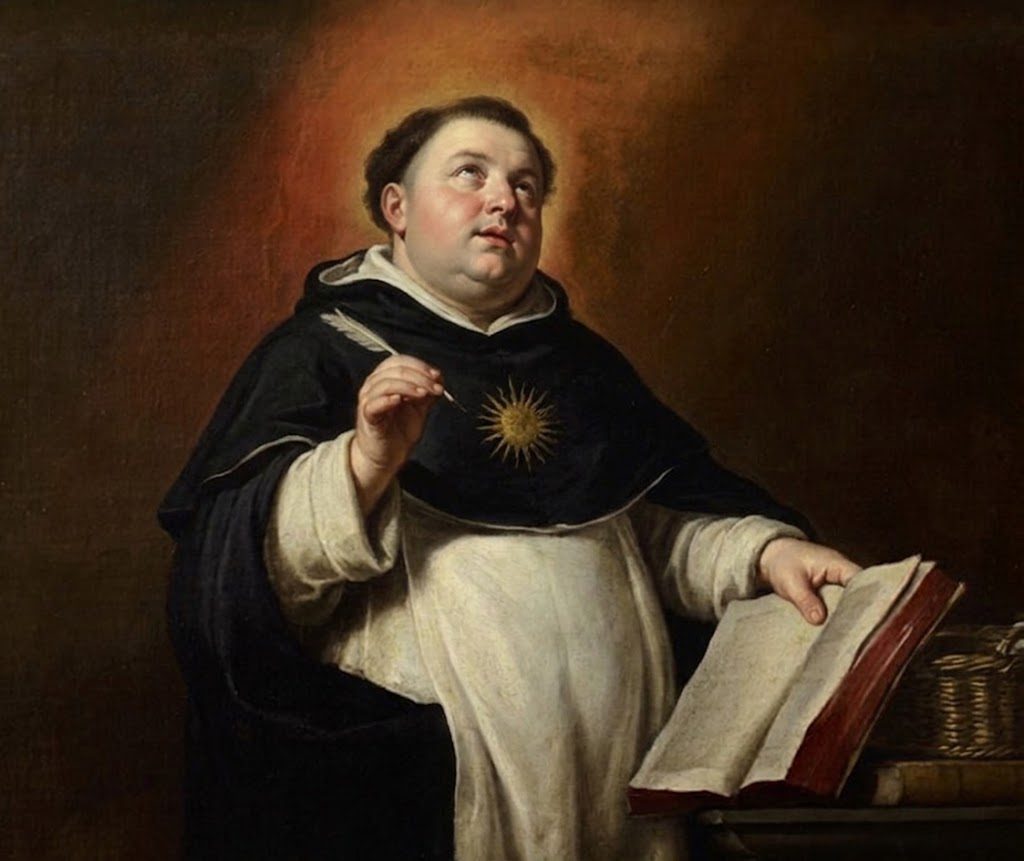
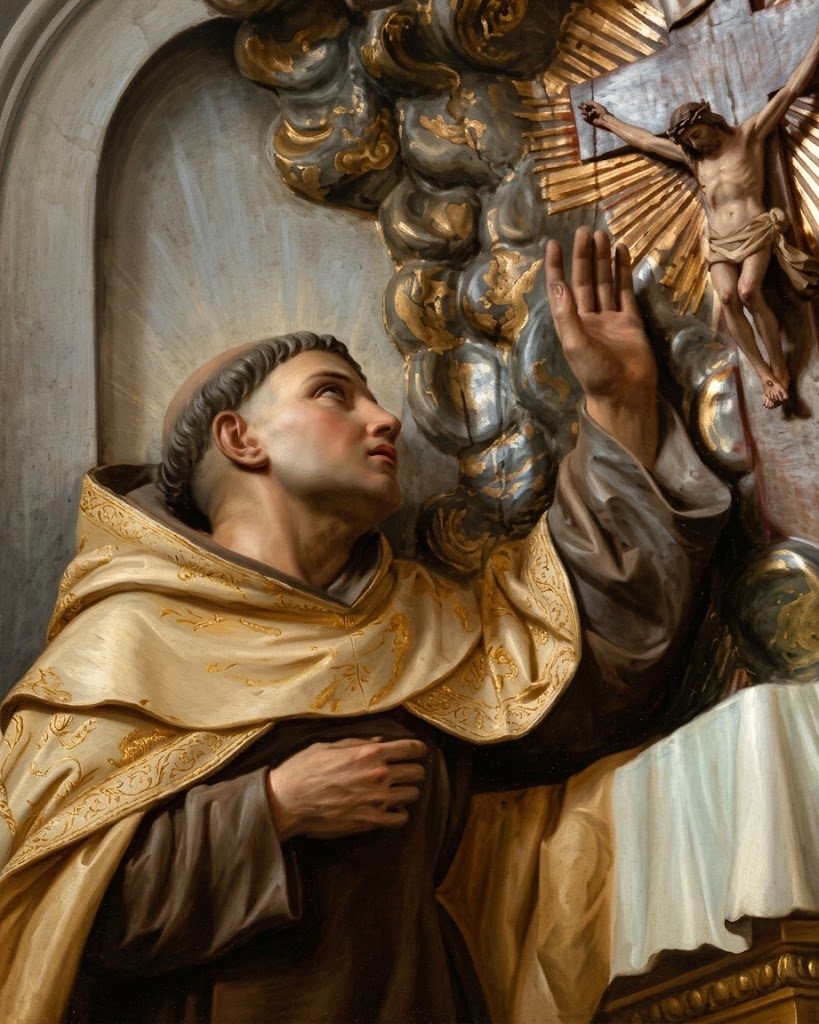
We travel south to Naples — a city of intense, visceral faith — for the first of three days in Our Lady’s keeping. At the Basilica of Santa Maria del Carmine Maggiore we come to La Bruna, the “Brown Madonna,” the thirteenth-century icon that is the symbol of the whole Carmelite Order. At San Domenico Maggiore we visit the cell of St Thomas Aquinas and the crucifix that, by tradition, spoke to him: “You have written well of me, Thomas. What reward will you have?” — “Nothing but Yourself, Lord.” And at the Gesù Nuovo we pray at the tomb of St Giuseppe Moscati, the holy physician who served the poorest of Naples without charge, his chapel lined with the thanksgivings of the healed.
A gentler day in Naples. Sunday Mass together, then to Pompeii — the Shrine of Our Lady of the Rosary, one of the great Marian shrines of southern Italy, built in the shadow of the ancient ruins and Vesuvius — where we place the whole pilgrimage under Our Lady’s mantle. Time permitting, the Duomo and the blood of San Gennaro. An evening of thanksgiving together, the farewell dinner of the pilgrimage.
We gather a final time for Mass at La Bruna, the Marian heart of Carmel — ending as every Carmelite pilgrimage should end, in her keeping. Then to Naples airport for our return flights, pilgrims still, wherever the road now leads. We go not with a farewell but with the fire: carried home, to be kindled wherever we are.
Those with connecting flights or travelling independently arrive home today. The flame does not go out at the airport door.
Cost
Return flights from London Heathrow included
Book your own flights; join at Pisa/Florence airport
Return flights from London Heathrow included
Book your own flights; join at Pisa/Florence airport
Pay in instalments — no need to pay all at once
To arrange instalment payments, contact our pilgrimage partner directly: Pilgrimage People · office@pilgrimagepeople.org · 0800 612 3423
May Pilgrimage · 6–16 May 2028
- Holding deposit £150 — due 31 October 2026
- Deposit £350 — due 6 May 2027
- Balance — due 11 February 2028
October Pilgrimage · 7–17 October 2028
- Holding deposit £150 — due 31 December 2026
- Deposit £350 — due 8 October 2027
- Balance — due 14 July 2028
Questions
Can I see the full itinerary, and share it with others who might be interested?
What's included with meals?
Will there be daily Mass?
Will we learn about the saints and places we visit, or is it just sightseeing?
Can I pay in instalments?
How many fellow pilgrims will be on this journey?
What if something happens before the journey begins and I am unable to participate? Can I get my money back?
Where should I fly into and out of?
What will accommodations be like?
What is your cancellation policy for this pilgrimage?
What about money?
What travel documents are required?
IMPORTANT: Do not pack your passport or travel documents in your luggage, as you will need them at the airport and upon boarding the plane. Keep them, as well as prescription medication and any valuables, in your carry-on bag, and keep your carry-on with you at all times while travelling.
Is Travel Protection Insurance needed?
Do I have to be a Carmelite?
How demanding is it physically?
Is the papal audience guaranteed?
Can I come alone?
Is there an October pilgrimage?
How do I book?
Ready to come?
Booking is open. Secure your place through our pilgrimage partner, Pilgrimage People — click below to book online, or contact them directly.
Book your placePilgrimage arranged with Pilgrimage People · office@pilgrimagepeople.org · 0800 612 3423